If you’ve ever stood in a big-box store toy aisle at 8 p.m., staring at cheaply made plastic action figures with wobbly joints or stuffed animals that already look faded on the shelf, you know how frustrating it is to hunt for toys that won’t break after a single play session. As a toy supplier who’s spent the last 12 years designing and sourcing safe, durable playthings for both small boutique shops and large retail chains, I get it: most people ask “where can I buy high-quality toys?” only to end up overwhelmed by the noise of fast-moving, discount-focused options that cut corners on safety and play value. Today, I’m pulling back the curtain on what makes a toy high quality, which places (and people) deserve your trust, and what to look for when you’re ready to invest in toys that last—whether you’re a parent, a boutique retailer, or a holiday planner. Toys

First, let’s get one thing straight: high-quality toys aren’t just for people with big budgets. They’re toys that meet or exceed strict safety standards, are built for repeated play (not just display), and encourage meaningful, age-appropriate learning or creativity—not just mindless screen time or fast thrills. I see this firsthand every day: when a child plays with a wooden puzzle that locks into place instead of a plastic puzzle that bends when dropped, they’re developing fine motor skills and problem-solving, and the puzzle can be passed down to a younger sibling, a cousin, or a neighbor for years. Cheap toys might look similar at first glance, but the difference is in the details: the thickness of the plastic, the tightness of a stuffed animal’s stitching, and whether the paint is non-toxic enough for a toddler to mouth.
Now, where do you find toys that check all these boxes? Let’s start with the places most people skip because they’re “not obvious”—the small, specialized suppliers and craft manufacturers that don’t do big national ad campaigns. I know this because I run a toy supply business that works directly with these small producers, not the middlemen who mark up toys 300% just to cover shelf space at big-box stores. For example, the wooden building blocks we source are made by a 3rd-generation woodworker in rural Ohio who uses sustainably harvested maple and treats it with a food-safe, plant-based finish—no harsh chemicals that can harm a curious toddler. This is the kind of toy you won’t find on the front of Walmart’s toy section, but it’s exactly the sort of high-quality plaything that parents and boutique retailers search for.
Another spot I swear by is independent toy co-ops and seasonal craft fairs, especially those focused on children’s products. I attend three regional toy fairs every year, and half the vendors there are small, family-run shops that make toys in their own garages or small factories, with transparency about their materials and safety practices. Last year, I met a woman at a fair in Portland who makes cloth dolls filled with organic cotton, hand-sewn details, and story cards that come with each doll—so kids can create their own narratives as they play. These vendors don’t have fancy websites or big distribution deals, but their toys are tested in their own homes first, and they’ll happily tell you exactly where their materials come from (a red flag if they can’t).
If you’re a parent or someone buying for personal use, local independent toy stores are a huge, underrated resource. A lot of these stores are owned by parents or former educators who test toys with their own kids before putting them on shelves, and they know their inventory inside and out. I work with a small toy store in Minneapolis that only carries 120 toys total, compared to the big-box store’s 5,000, because every single one meets their strict standard: they don’t stock toys with small parts for babies, they avoid loud, flashy toys that overstimulate young children, and they keep toys that encourage open-ended play (like magnetic tiles or play silks). When you ask a staff member there “which high-quality toys work for a 4-year-old who loves dinosaurs?” they’ll not only point you to the right option, but explain why it’s better than a cheaper plastic alternative (like how the dinosaur figures have solid, weighted bodies that don’t tip over easily).
But let’s talk about the elephant in the room: online marketplaces. Amazon and Alibaba have made it easy to buy cheap toys with a single click, but that ease comes with a cost. A 2022 study from the Consumer Product Safety Commission (CPSC) found that 1 in 5 toys sold on major online marketplaces fail basic safety tests—things like lead paint on toy jewelry, small parts that pose a choking hazard for toddlers, or flimsy plastic that breaks and creates sharp edges. That’s why, when I work with retail clients, I always advise them to skip the generic online listings and go for e-commerce platforms that specialize in toy quality, like Etsy’s “Handmade Toys” section or the toy-focused marketplace Lovevery. These platforms have stricter vetting processes: Etsy, for example, requires sellers to list where their materials come from, and Lovevery’s toys are designed by child development experts, so you know they’re safe and age-appropriate.
For anyone who’s a retailer or bulk buyer (think: daycare centers, holiday event planners, or boutique owners), the best place to start is by connecting directly with a supplier that prioritizes quality over volume. I know, because I’ve seen too many businesses cut corners to save a few bucks, only to deal with returns, bad reviews, and frustrated customers. When you work with a legitimate toy supplier, you get full transparency: we provide third-party safety test results for every product, we use sustainably sourced materials, and we build toys that are durable enough to withstand weeks of rough play. Last year, a daycare center in Chicago switched from cheap plastic action figures to our soft, machine-washable fabric playsets, and they told us the kids played with them every single day—something the old toys never lasted longer than a week.
Wait, let’s clear up a common misconception: “high-quality” doesn’t mean “expensive.” I’ve seen wooden puzzles sell for $8 that are just as durable as ones that cost $25, because they’re made with small-batch production and no fancy marketing. What matters is value: a $8 puzzle that a child plays with for 5 years is a way better investment than a $20 plastic puzzle that breaks after one play session. The key is to look for “open-ended play” toys—things that can be used in multiple ways, instead of toys that do one specific thing (like a plastic robot that only walks and beeps). A set of wooden blocks, for example, can be a castle, a car, a bridge, or a space ship, so a kid gets years of play out of it, not just a few months.
Another thing to check: age recommendations. A lot of parents write off a toy as “too hard” or “too easy” because they don’t pay attention to the CPSC age labels, but those labels aren’t arbitrary. A toy labeled “3+” has smaller parts to keep older kids engaged, while a “0+” toy is made with soft, non-chokable materials for babies who mouth everything. High-quality suppliers will list those age labels clearly, and even provide notes on how a toy grows with a child—like a stacking ring set that starts as a teether for a 6-month-old and becomes a size-sorting game for a 2-year-old.
Now, if you’re ready to stop guessing and start sourcing or buying high-quality toys that matter, here’s the next step: don’t settle for generic answers. Ask questions. When you’re talking to a supplier, don’t just say “do you have toys for kids?” Say “can you share your third-party safety test results?” or “what materials do you use for your fabric toys?” When you’re at a local toy store, ask the owner “how long have your best-selling toys lasted in your store?” Good toy creators and suppliers will be eager to answer those questions, because they’re proud of the work they do.
As someone who’s been in this business for over a decade, I’ve seen the shift: more and more parents and retailers are tired of fast, disposable toys that end up in landfills. They want toys that tell a story, that are safe, that make kids feel joy without overwhelming them. That’s why I work with small-scale makers and sustainable factories, because they’re the ones keeping that quality alive. If you’re a parent looking to build a toy collection that will last, a retailer looking to stock inventory your customers will love, or an organization looking for bulk toys for a special event, the best place to start is by reaching out to a supplier who values the same things you do—transparency, safety, and play.
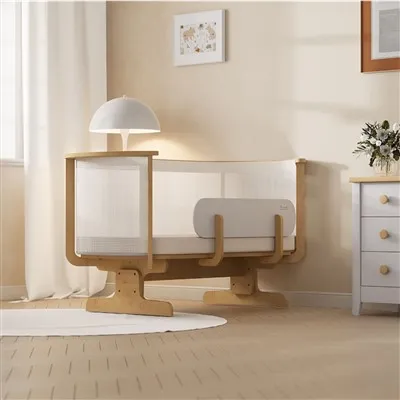
You don’t have to hunt through endless online listings or wander crowded big-box stores anymore. The right high-quality toys are out there—you just have to know where to look, and who to trust.
Kid’s Furniture References
- Consumer Product Safety Commission. (2022). Toy Safety: An Analysis of Online Marketplace Product Failures. U.S. Consumer Product Safety Commission.
- American Academy of Pediatrics. (2021). The Benefits of Open-Ended Play for Child Development. Pediatrics Journal.
- Global Toy Safety Initiative. (2023). Sustainable Materials in Children’s Toys: Best Practices for Small Manufacturers. Global Toy Safety Initiative.
- National Retail Federation. (2022). Independent Toy Store Growth and Customer Shopping Habits. National Retail Federation.
Zhejiang Hanhao Industrial Co., Ltd.
Zhejiang Hanhao Industrial Co., Ltd. is one of the most experienced toys manufacturers and suppliers in China, featured by quality products and good price. Please rest assured to buy durable toys made in China here from our factory. Also, custom service is available.
Address: No. 1, East Road, Qixing Street, Nanhu District, Jiaxing City, Zhejiang Province, China
E-mail: admin@hanhaofurniture.com
WebSite: https://www.hanhao-furniture.com/
