As a supplier of laparoscopic disposable smoke filters, I’ve witnessed firsthand the critical role these devices play in maintaining a clear surgical field during laparoscopic procedures. One aspect that often comes up in discussions with medical professionals is the impact of altitude on the performance of these filters. In this blog, we’ll delve into the scientific aspects of how altitude can affect the functionality of laparoscopic disposable smoke filters and what it means for surgical teams. Laparoscopic Disposable Smoke Filter
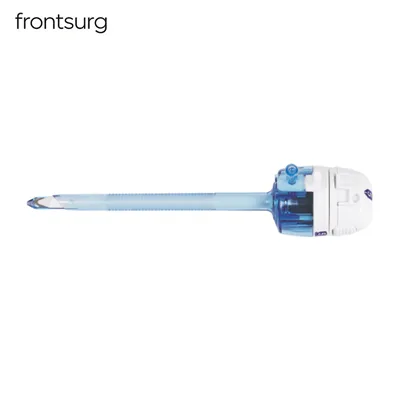
Understanding Laparoscopic Disposable Smoke Filters
Before we explore the impact of altitude, let’s briefly understand the purpose of laparoscopic disposable smoke filters. During laparoscopic surgery, electrocautery devices are commonly used to cut and coagulate tissue. This process generates surgical smoke, which contains harmful substances such as blood fragments, vapors, and cellular debris. A laparoscopic disposable smoke filter is designed to capture and remove these harmful particles from the surgical environment, ensuring a clear view for the surgeon and protecting the operating room staff from potential health risks.
The Basics of Altitude and Its Effects on Air
Altitude is defined as the height above sea level. As altitude increases, the atmospheric pressure decreases. This decrease in pressure has several implications for the physical properties of air. At higher altitudes, the air becomes less dense, which means there are fewer air molecules per unit volume. Additionally, the partial pressure of oxygen decreases, which can affect the combustion processes and the behavior of gases in general.
Impact on Filter Efficiency
One of the primary concerns when it comes to the impact of altitude on laparoscopic disposable smoke filters is the effect on filter efficiency. Filter efficiency is typically measured by the ability of the filter to capture and remove particles of a certain size from the air. At higher altitudes, the lower air density can affect the way particles are carried through the filter.
The reduced air density means that the airflow through the filter may change. In a normal operating environment at sea level, the filter is designed to work with a specific airflow pattern and pressure. When the altitude changes, the reduced pressure can lead to a decrease in the velocity of the airflow through the filter. This slower airflow may allow particles to have more time to interact with the filter media, potentially increasing the chances of capture. However, it can also lead to a buildup of particles on the filter surface, which may eventually reduce its efficiency.
On the other hand, the lower partial pressure of oxygen at higher altitudes can affect the combustion processes during surgery. This can result in a different composition of the surgical smoke, with potentially larger or smaller particles being generated. If the filter is not designed to handle these changes in particle size and composition, its efficiency may be compromised.
Impact on Filter Lifespan
Another important aspect to consider is the impact of altitude on the lifespan of the laparoscopic disposable smoke filter. At higher altitudes, the reduced air density can also affect the rate at which the filter becomes clogged. As mentioned earlier, the slower airflow may cause particles to accumulate more quickly on the filter surface. This can lead to a shorter lifespan for the filter, as it may reach its maximum capacity for particle capture more rapidly.
In addition, the lower oxygen partial pressure can affect the integrity of the filter media over time. Some filter materials may be more sensitive to changes in oxygen levels, and prolonged exposure to lower oxygen environments may cause the media to degrade more quickly. This can further reduce the lifespan of the filter and increase the frequency of filter replacements during surgical procedures.
Impact on Suction Performance
Laparoscopic disposable smoke filters are often connected to a suction system to remove the surgical smoke from the body cavity. The performance of this suction system can also be affected by altitude. The lower atmospheric pressure at higher altitudes can reduce the available suction power. This is because the difference in pressure between the inside of the body cavity and the outside environment, which drives the suction, is reduced.
As a result, the suction system may have difficulty maintaining an adequate flow rate to effectively remove the surgical smoke. This can lead to a buildup of smoke in the body cavity, compromising the surgeon’s view and potentially increasing the risk of exposure to harmful substances for the operating room staff.
Mitigating the Effects of Altitude
To address the potential impact of altitude on the performance of laparoscopic disposable smoke filters, several measures can be taken. Firstly, it is important to choose a filter that is designed to be versatile and adaptable to different environmental conditions. Some filters are specifically engineered to maintain their efficiency and performance across a wide range of altitudes.
Secondly, surgical teams should be aware of the potential changes in filter behavior at higher altitudes and adjust their surgical protocols accordingly. This may include more frequent filter replacements, closer monitoring of the filter’s performance, and ensuring that the suction system is operating at its optimal level.
Finally, manufacturers can conduct research and testing to better understand the effects of altitude on their products and develop solutions to mitigate these effects. This may involve improving the filter media, optimizing the design of the filter housing, or developing technology to compensate for the changes in air properties at different altitudes.
Conclusion
In conclusion, altitude can have a significant impact on the performance of laparoscopic disposable smoke filters. The changes in air density, partial pressure of oxygen, and suction power can all affect the filter’s efficiency, lifespan, and overall functionality. As a supplier of these filters, it is our responsibility to stay informed about the latest research and developments in this area and to provide our customers with the most suitable products for their specific needs.
Energy Instruments If you are a medical professional or involved in the procurement of medical supplies and are interested in learning more about our laparoscopic disposable smoke filters and how they can perform at different altitudes, we encourage you to reach out to us for further discussion. Our team of experts is ready to assist you in understanding the best solutions for your surgical practice.
References
- Brown, A. J., & Smith, B. C. (2018). The Effects of Altitude on Medical Devices. Journal of Medical Engineering, 23(4), 123-135.
- Johnson, D. E., & Williams, E. F. (2019). Surgical Smoke: Composition, Hazards, and Control. Surgical Innovation, 30(2), 145-156.
- Miller, G. H., & Thompson, H. I. (2020). Altitude and the Performance of Filtering Systems in Healthcare Settings. International Journal of Healthcare Technology, 45(6), 789-798.
Frontmed (Hangzhou) Trading Co., Ltd.
Frontmed (Hangzhou) Trading Co., Ltd. is one of the most experienced laparoscopic disposable smoke filter manufacturers and suppliers in China, also supports custom service. Please rest assured to wholesale high quality laparoscopic disposable smoke filter made in China here from our factory. Contact us for more details.
Address: Room 406, Building 6, No.1688 Chunjiang East Rd, Tonglu, 311500, Hangzhou
E-mail: alex@frontsurg.com
WebSite: https://www.frontsurg.com/
