PPR aluminum-plastic pipes have gained significant popularity in the plumbing industry due to their unique combination of properties, including durability, flexibility, and corrosion resistance. As a PPR aluminum-plastic pipe supplier, I’ve had numerous inquiries from customers about the performance of our pipes in freezing temperatures. In this blog, I’m going to delve into this topic, discussing how PPR aluminum-plastic pipes fare when the mercury drops and why they are a reliable choice even in cold climates. PPR Aluminum-plastic Pipe
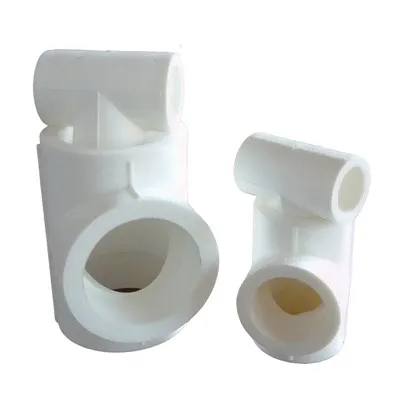
Understanding the Composition of PPR Aluminum – plastic Pipes
Before we explore their performance in freezing temperatures, it’s essential to understand what makes PPR aluminum – plastic pipes unique. These pipes are typically composed of three layers: an inner and outer layer of polypropylene random copolymer (PPR) and a middle layer of aluminum foil.
The PPR layers offer excellent chemical resistance, smooth inner walls to prevent scaling, and are non-toxic, making them suitable for potable water systems. The aluminum layer, on the other hand, provides enhanced strength, oxygen barrier properties, and dimensional stability. This multi – layer structure gives the pipes a set of characteristics that are beneficial in various environments, including those with cold conditions.
How Freezing Temperatures Affect Plumbing Pipes
Freezing temperatures pose a significant threat to plumbing systems. When water freezes, it expands by approximately 9%. In pipes, this expansion can create a substantial amount of pressure. If the pipes cannot withstand this pressure, they may crack or burst. Traditional metal pipes, such as copper or steel, are prone to freezing damage because they are rigid and may not be able to accommodate the expansion of water.
Plastic pipes, while generally more flexible than metal pipes, also face challenges in freezing conditions. Some plastic pipes may become brittle at low temperatures, reducing their ability to withstand the pressure from frozen water.
Performance of PPR Aluminum – plastic Pipes in Freezing Temperatures
Flexibility and Expansion Tolerance
One of the key advantages of PPR aluminum – plastic pipes is their flexibility. The PPR layers have a certain degree of elasticity, which allows the pipes to expand slightly when the water inside them freezes. This ability to expand helps relieve some of the pressure caused by the expansion of ice, reducing the risk of cracking or bursting.
Compared to rigid metal pipes, PPR aluminum – plastic pipes can better adapt to the changes in volume during the freezing and thawing process. This flexibility is crucial in preventing catastrophic pipe failures that can lead to water damage in buildings.
Insulation Properties
The multi – layer structure of PPR aluminum – plastic pipes also contributes to their performance in freezing temperatures. The PPR layers act as insulators, reducing the rate at which heat is transferred from the water inside the pipes to the cold environment outside. This means that the water in the pipes takes longer to freeze compared to pipes with less insulation.
The aluminum layer further enhances the insulation properties by reflecting radiant heat. This combination of insulation helps keep the water in the pipes at a higher temperature for a more extended period, minimizing the risk of freezing.
Resistance to Brittle Fracture
PPR has a relatively high impact strength and resistance to brittle fracture, even at low temperatures. This property is essential in cold climates, where pipes are exposed to extreme cold. The PPR material maintains its toughness, ensuring that the pipes can withstand minor impacts and stresses without cracking.
The addition of the aluminum layer also reinforces the pipe’s structure, making it more resistant to damage. The aluminum provides additional support and helps distribute stress evenly across the pipe, further reducing the risk of failure.
Real – World Applications and Case Studies
In regions with cold winters, such as northern parts of the United States, Canada, and some European countries, PPR aluminum – plastic pipes have been widely used in residential and commercial plumbing systems. Many users have reported satisfactory performance, with few issues related to freezing damage.
For example, in a multi – family housing project in a cold climate, PPR aluminum – plastic pipes were installed for the water supply system. During a particularly harsh winter, with temperatures dropping well below freezing for an extended period, the pipes remained intact. There were no reports of leaks or pipe failures, demonstrating the pipes’ ability to withstand extreme cold conditions.
Preventive Measures for Pipes in Freezing Conditions
Although PPR aluminum – plastic pipes have good performance in freezing temperatures, it’s still advisable to take some preventive measures to ensure their long – term reliability.
Insulation
Adding additional insulation to the pipes can further reduce the risk of freezing. This can be done using foam insulation sleeves, which are readily available in the market. Insulation helps to slow down the heat transfer from the water inside the pipes to the cold surroundings, keeping the water liquid for longer.
Draining
If a building is going to be unoccupied during the cold winter months, it’s a good idea to drain the water from the pipes. This eliminates the risk of water freezing inside the pipes and causing damage. However, it’s important to ensure that all the water is drained properly, as even a small amount of water left in the pipes can freeze and cause problems.
Maintaining a Constant Temperature
Keeping the temperature inside the building above freezing can also help protect the pipes. This can be achieved by using a thermostat to maintain a minimum temperature, especially in areas where the pipes are located, such as basements, attics, and crawl spaces.
Conclusion
As a PPR aluminum – plastic pipe supplier, I’m confident in the performance of our pipes in freezing temperatures. Their unique combination of flexibility, insulation properties, and resistance to brittle fracture makes them a reliable choice for plumbing systems in cold climates.
However, it’s important to note that proper installation and maintenance are crucial for ensuring the long – term performance of the pipes. Taking preventive measures, such as insulation and draining, can further enhance the pipes’ ability to withstand freezing conditions.
PVC Pipe If you’re considering using PPR aluminum – plastic pipes for your plumbing project, especially in an area with cold winters, I strongly encourage you to reach out for more information. Our team of experts is ready to provide you with detailed technical advice and help you choose the right pipes for your specific needs. Contact us to start a discussion about your project and how our PPR aluminum – plastic pipes can meet your requirements.
References
- "Handbook of Polymer – Metal Composites"
- "Plastic Pipes in Building Services"
- Research papers on the performance of PPR materials in low – temperature environments published in plumbing and construction industry journals
Hebei Ruijie Pipe Industry Co., Ltd.
Address: Industrial Park, Shaozhuang Township, Suning County, Cangzhou City, Hebei Province
E-mail: 1987870474@qq.com
WebSite: https://www.rjpprpipe.com/
