Hey there, I’m Jake, and I’ve been selling air conditioning units for over 8 years now—mostly because, let’s be real, I’ve seen way too many people drop thousands on a unit that either doesn’t cool their space, costs a fortune to run, or breaks down by the first heatwave. Today, I’m pulling back the curtain on the stuff no one tells you when you’re shopping for an AC. No fancy jargon, just the real deal from a guy who’s helped hundreds of people skip the buyer’s remorse. Air Conditioning Unit

First off, let’s talk about size. Not the square footage of your living room (though that helps)—but what we call “cooling capacity,” measured in BTUs. Wait, before you zone out, hear me out. A lot of folks think more BTUs = better, but that’s a myth. If you cram a 18,000 BTU unit into a 500 sq ft apartment? It’ll cool it down fast, but it’ll short cycle—turn on, blast cold air for 10 mins, turn off, then cycle again all day. That wastes energy, wears out the compressor way quicker, and you’ll end up with uneven cooling (like, half the room is freezing, half is still muggy). On the flip side, a unit with too few BTUs will run non-stop and never hit a comfortable temp, leaving you with sky-high electric bills and zero relief.
How do you get the right BTU? Let’s keep it simple. For every 100 sq ft of space, you need about 5,000 BTUs. But tweak that if your space has big windows, high ceilings, or gets direct sun all day. If you’ve got a south-facing home with 10 ft ceilings and a wall of sliding glass? Add 10-15% more BTUs. If it’s a cozy, shaded basement? Knock 10% off. I once had a customer who bought a giant unit for their small bedroom because the sales guy pushed it—they were calling me a month later, swearing it was “broken,” when really it was just the wrong size. Pro tip: I always ask customers to measure their longest and widest walls (in feet), multiply them, then adjust for sun and ceiling height. No math PhD required here.
Next up, energy efficiency. This is huge because, let’s face it, your AC isn’t just a one-time purchase—it’s a monthly expense. The metric here is SEER, which stands for Seasonal Energy Efficiency Ratio. Most units now have a SEER rating between 14 and 26. The higher the SEER, the less electricity it uses to cool the same space. But wait, don’t get sold on a 26 SEER unit if it’s way oversize for your space. That’s like buying a truck to run errands around town—great power, wasted fuel.
Here’s the thing: higher SEER units cost more upfront, but they save you money long-term. Let’s do quick math. A 16 SEER unit might cost $300 less than a 20 SEER, but you’ll pay an extra $150 a year in electric bills. So by Year 2, the pricier unit is already paying for itself. For context, in my line of work, SEER ratings below 14 are basically obsolete—they’re way too inefficient for today’s energy costs, and most states don’t even sell them anymore. Also, look for ENERGY STAR certified units—they’re tested to save at least 10% more energy than standard models, which is a big plus if you’re into lowering your carbon footprint (or just your utility bills). I always recommend ENERGY STAR units to my regulars, and we’ve had zero complaints about their efficiency.
Then there’s the type of AC unit. This is where most people get overwhelmed, so let’s break it down to the three main types that matter for most homes: window units, ductless mini-splits, and central AC. Window units are the cheap, go-to for small spaces—apartments, single rooms, home offices. They’re easy to install (just fit in a window), compact, and way more affordable upfront. But they’re noisy, they take up a window, and they only cool one room. I wouldn’t suggest them for whole-house cooling, unless you’re on a super tight budget and only need to cool one space.
Ductless mini-splits are a game-changer for homes without existing ducts, or for adding cooling to an extension (like a new garage apartment or home gym). They have an outdoor compressor unit that connects to 1-4 indoor air handlers, so you can cool different zones at different temps—perfect if you only need the bedroom cool at night and the living room during the day. They’re energy efficient, quieter than window units, and don’t take up a window. The downside? They’re pricier to install than a window unit—usually $2,000-$5,000, depending on how many zones you need. But if you’re renovating and skipping the ductwork, they’re way better than central AC.
Central AC is what most homes with existing ducts use. It’s a whole-house system that uses a furnace or air handler to blow cool air through ductwork, so every room gets evenly cooled. It’s quiet (since the noisy part is outside), and it’s the most convenient for big, multi-level homes. But it’s the most expensive upfront—like, $3,000-$7,000 installed, depending on your home size and duct condition. Also, if your ducts are old or leaky, you’ll lose up to 30% of the cool air before it even reaches your rooms. That’s why I always suggest getting your ducts inspected if you’re going with central AC—leaky ducts can make even a high-efficiency unit waste energy. I once had a customer with central AC who thought their unit was broken, but it turned out their ducts had 40% leaks—fixing the ducts saved them $100 a month on bills.
Now, noise level. This is something no one thinks about until they’re trying to sleep next to a unit that sounds like a jet engine taking off. The noise is measured in decibels (dB)—the lower the dB, the quieter the unit. Window units usually range from 50-65 dB (a normal conversation is about 60 dB, so that’s roughly the same as someone talking right next to you). Mini-splits are quieter, usually 40-55 dB, because the compressor is outside—only the indoor handler makes noise, which is closer to a library whisper. Central AC is even quieter, around 35-50 dB, since the compressor is way outside.
If you’re buying a unit for a bedroom or a home office, noise is non-negotiable. I’ve had customers return window units because they couldn’t sleep through the hum—they ended up upgrading to mini-splits, and they’ve never looked back. Pro tip: If you’re looking at window units, check the “sound rating” specifically—some brands hide the dB numbers in the fine print, so you have to dig for them. And for central AC, ask if the outdoor compressor has sound-dampening technology—some cheaper models vibrate so much they make your whole house shake.
Next, maintenance and warranty. This is where a lot of buyers cut corners, and end up paying for it later. Let’s start with maintenance. Every AC unit needs regular checks—changing the air filter every 1-3 months (more if you have pets or live in a dusty area), cleaning the condenser coils outside, and getting a professional tune-up once a year. Skipping these things can shorten your unit’s lifespan by 5-10 years. I see this all the time—customers who change their filter once a year, then the unit freezes up in mid-summer, and they have to pay $300+ for a repair.
Warranty is another big one. Most AC units have a parts warranty and a labor warranty. Parts warranties usually last 5-10 years for the compressor (that’s the most expensive part to replace—like $1,500+), and 1-5 years for other parts. Labor warranties are shorter, usually 1 year, but some brands offer extended labor if you register the unit. I always recommend units with at least a 10-year compressor warranty— that’s a sign the brand stands behind their product. Avoid no-name brands with short warranties—if they go out of business, you’ll have no one to call for parts or service. We only carry units from well-known, reliable brands because I don’t want my customers stuck with a dead unit and no way to fix it.
Then there’s special features. These are nice-to-haves, but they can make a big difference in how easy your unit is to use. Let’s see: smart features, like Wi-Fi connectivity, let you control your AC from your phone—adjust the temp before you get home, set schedules, get alerts when the filter needs changing. They’re not necessary, but they’re super convenient, especially if you’re forgetful. Some units also have variable-speed compressors, which adjust the cooling output based on the room’s needs—this is more energy efficient and leads to more even cooling than single-speed compressors. Air purifying filters are another nice touch—if you have allergies or asthma, some units have HEPA filters that trap dust, pollen, and pet dander, so your AC is actually improving your indoor air quality.
Wait, but don’t buy a unit just for fancy features. If you don’t use your phone to control anything, a smart unit is a waste of money. I had a customer who bought a smart window unit for their vacation home, and they never set up the Wi-Fi—they ended up calling me to exchange it for a basic model, because it was $200 more and they didn’t need the feature. Stick to features that actually fit your lifestyle.
Let’s also talk about installation. Even if you buy the perfect unit, bad installation can make it perform badly, or even break it. For window units, make sure it’s installed level—if it’s tilted forward, water will leak into your house; if it’s tilted back, it won’t drain properly. For central AC or mini-splits, always hire a licensed, experienced HVAC tech. I can’t stress that enough—bad ductwork installation or a poorly placed compressor can cut your unit’s efficiency by 20% or more, and even void the warranty. We work with a team of licensed installers we trust, and we always make sure our customers know to hire someone qualified—we’ve seen too many DIY installs go wrong.
Now, let’s circle back to being an AC supplier. One mistake I see customers make is buying the cheapest unit they can find, only to regret it a year later. I’m not saying you have to splurge, but you get what you pay for. A $200 window unit will work for a small room for a couple years, but a $350 unit will be quieter, more efficient, and last longer. A $3,000 central AC unit will cool your whole house evenly, save you money on bills, and last 15-20 years, while a $2,000 unit might only last 10 years and cost you more in energy.
At the end of the day, buying an AC unit is about balancing your needs, your space, and your budget. It’s not just about the upfront cost—it’s about how it will perform for the next 10+ years. If you’re still confused about sizing, energy efficiency, or which type is right for your home, don’t guess. Reach out—we’re here to help you pick the perfect unit, no pressure, no confusing jargon. We can walk you through everything from BTU calculations to installation, and make sure you get something that works for your space and your wallet.
Just to wrap up, the key factors are: 1) Get the right BTU (no over or under sizing), 2) Go for high SEER (but don’t overdo it), 3) Pick the right unit type for your home (window, mini-split, central), 4) Check the noise level if it’s for a bedroom or quiet space, 5) Look for a good warranty and easy maintenance, 6) Only buy features you’ll actually use, and 7) Hire a pro for installation. I’ve helped hundreds of people go through this, and I can tell you—taking the time to get these right will save you a ton of money and headaches in the long run.
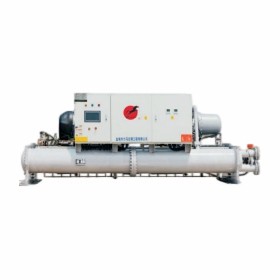
Don’t stress if this feels like a lot. If you’re ready to start shopping, just reach out to connect with us about your space, your budget, and what you need from your AC. We’ll break it down simple, no sales pitches, just real advice.
Air Conditioning Unit REFERENCES
- U.S. Department of Energy, "Central Air Conditioners", 2024
- ENERGY STAR, "Air Conditioner Buying Guide", 2023
- Air Conditioning Contractors of America, "Residential HVAC Sizing Best Practices", 2022
- Consumer Reports, "Best Air Conditioners for 2024", 2024
- Environmental Protection Agency, "Duct Leakage Impacts on HVAC Efficiency", 2023
Yancheng Lima Air Conditioning Engineering Co., Ltd.
As one of the leading air conditioning unit manufacturers and suppliers in China, we warmly welcome you to buy discount air conditioning unit for sale here and get quotation from our factory. Quality products and low price are available.
Address: No. 99, Xinyuan Road, Yannan High-tech Zone, Yancheng City
E-mail: yclima@yclima.com
WebSite: https://www.limakt.com/
