If you’ve ever worked with tempered glass—whether as an architect, glazier, interior designer, or even a homeowner picking up a replacement for a shower door—you know it’s a game-changing material. Tempered glass is four to five times stronger than regular annealed glass, resistant to thermal stress, and when it does break, it shatters into small, blunt pieces rather than sharp shards. But here’s the thing: all that durability goes out the window if you don’t store it correctly. As a tempered glass supplier with 12 years in the business, I’ve seen more than my fair share of perfectly good tempered glass get ruined because someone rushed the storage process. Last year alone, I had a client panic-order 20 custom shower panels because their installer scratched 12 pieces that were just sitting in a backyard shed for two weeks. That’s $1,800 down the drain, and it didn’t have to happen. Tempered Glass

Today, I’m breaking down exactly how to store tempered glass properly—from temporary on-site storage to long-term warehouse solutions. This isn’t just “common sense”; it’s science, and it’s the kind of knowledge that saves you time, money, and headaches. Let’s dive in.
First, let’s get one critical fact straight: tempered glass is heat-strengthened, then cooled rapidly to create its compressive surface layer. That process makes it strong, but it also makes it sensitive to point loads, scratches, and uneven pressure. Unlike annealed glass, which can handle minor bumps in a flat stack, tempered glass can develop invisible stress points from even small imperfections during storage that will cause it to shatter unexpectedly later. I’ve had a piece of ½-inch tempered office partition glass sit in a storage rack for three months, seemingly fine, then shatter when a worker leaned against it—all because a tiny stone had been left on the rack edge and put a micro-scratch in the corner. That’s the risk we’re mitigating here.
Let’s start with the most common storage scenario: on-site storage for construction or remodeling projects. When you receive a tempered glass shipment, the first 24 hours after delivery are make-or-break. Don’t just dump it in a corner and forget it. First, inspect the delivery immediately (I always tell clients this, even if they’re in a hurry). Check for any shipping damage, but also note how the glass is stacked by your delivery team. If it’s leaning on a flat surface, that’s fine for short-term, but only if that surface is perfectly flat and free of debris.
The number one rule for on-site temporary storage: keep it vertical, always. Tempered glass is rigid, but it’s not like a steel beam—its own weight can cause it to bend if it’s lying flat for too long, especially large panels (think: 10-foot sliding glass doors). That bending creates internal stress that weakens the glass over time. If you have to lay it flat for a few hours (say, while you’re checking measurements), use multiple support points along the bottom edge—at least every 4 feet for long panels—and make sure the supports are padded. No metal sawhorses, no wooden 2x4s with splinters, no concrete blocks covered in a tarp that has bumps. Use rubberized floor protectors or foam padding, and make sure the flat surface is completely level. A 1-degree tilt on a stack lying flat might not sound like much, but it’s enough to create uneven pressure on the edges.
For vertical on-site storage, you need a sturdy, purpose-built glass rack. If you don’t have a professional rack, you can make a temporary one, but only with specific guidelines. The rack should have padded horizontal supports (called “crutches”) that hold the glass at a 15 to 20-degree angle. That angle is key: it’s steep enough to keep the glass from tipping over, but shallow enough that the only weight bearing on the glass is evenly distributed along the bottom edge of the panel. The crutches should be spaced every 3 to 4 feet along the length of the rack, and they should be thick enough (at least 2 inches wide) to avoid putting pressure points on the glass. No narrow metal hooks—those leave marks, and if the pressure is concentrated, they can cause stress cracks.
Also, keep the glass away from high-traffic areas. I once worked with a contractor who stored 8 tempered patio door panels right next to a dumpster, and a worker hauling trash swung a metal bin into one of them, cracking it so bad it had to be scrapped. Even if you have a clear path, keep glass storage at least 3 feet away from doors, walkways, and any areas where tools or materials are being moved. If you’re storing it outside (which I only recommend for 48 hours max), cover it with a breathable tarp. Do not use plastic sheeting—it traps moisture, which can cause mold or mildew on the edges, and also allows condensation to build up. Moisture is bad because it can lead to edge corrosion, which weakens the tempered glass’s edge (the edges are actually the weakest point of tempered glass, fun fact—they have no compressive layer, so any damage there is extra risky).
Now, moving on to long-term storage—this is for warehouses, job sites where installation is a few weeks out, or custom glass that’s waiting for a specific project. Long-term storage has a different set of rules because the risks are higher over time: scratches, stress buildup, temperature fluctuations, and even pest damage (yes, mice can chew through cardboard and scratch glass edges if it’s sitting on the floor).
First, invest in a dedicated glass rack for long-term storage. These racks are designed for vertical storage, with multiple slots so you can stack panels side by side without them touching each other. No two pieces of tempered glass should be in contact while stored long-term—even a minor bump between two panels can scratch the surface, and as I mentioned earlier, surface scratches lead to stress points that can cause shattering later. If you don’t have slots, place a thin, foam cushion or a piece of acid-free paper between each panel. Avoid regular paper, especially newsprint—its ink can transfer to the glass, and it’s not as cushioning. Acid-free tissue paper is safe, but foam is better for heavy panels.
Temperature control is another big one for long-term storage. Tempered glass is stable, but extreme, rapid temperature changes can cause thermal stress. I’ve seen warehouses in Texas where glass stored in a metal rack in direct sun for a week shattered when an air conditioner was turned on, cooling the room 20 degrees in an hour. The compressive layer on tempered glass is optimized for a narrow temperature range, so store glass in a space that stays between 50°F and 85°F, with no sudden swings. If you have to store glass in an unconditioned space, make sure it’s not in direct sunlight, and keep it away from heaters, furnaces, or any other heat sources. Also, avoid areas that get cold enough to freeze water—if moisture seeps into a stress crack in the glass, it expands when frozen, making the crack worse over time.
Edge protection is often overlooked, but it’s critical. The edges of tempered glass are unfinished (or sometimes polished, but even polished edges don’t have that compressive surface), so any impact to the edge is a major risk. For long-term storage, invest in edge guards—soft rubber or foam sleeves that fit over the edges of each panel. If you don’t have edge guards, wrap the edges in bubble wrap, making sure the entire edge is covered. Never leave edges exposed on the floor or sticking out of a rack—walking into an exposed edge with a cart or ladder is a surefire way to chip or crack glass.
One more thing for long-term storage: labeling. I can’t tell you how many times I’ve had a warehouse full of glass, and no one can tell which panel is for which job, or what size it is. Label each panel clearly with a permanent marker (use a marker designed for glass, not a regular Sharpie, which can smudge), noting the dimensions, thickness, project name, and orientation (if it’s a door, label which side is the exterior). Also, note the delivery date—any glass stored for more than 6 months should be inspected before installation, just to make sure no stress points have developed.
Now, let’s talk about common mistakes I see people make, and how to avoid them. First, storing tempered glass flat on the floor. I know it’s easy, but even if it’s a small piece, laying it flat without supports can cause it to bend. Last year, a furniture store I supply bought 10 small tempered glass table tops and stored them flat on a warehouse floor for a month. When they pulled them out, two had stress cracks along the center because the floor wasn’t perfectly level, and the weight of the glass caused it to bow. That’s a $600 mistake that cost them a lot more in lost time.
Another mistake: using worn or damaged storage racks. If your rack has splintered wood, cracked foam supports, or bent metal, replace those parts immediately. A $5 foam crutch is way cheaper than a $500 glass panel. I keep extra crutches and foam padding in my warehouse because things get worn out, and it’s better to swap them out than risk ruining a delivery.
Also, never drag tempered glass across a surface. Whether you’re moving it from the delivery truck to the rack or between slots in a warehouse, lifting is always better than dragging. Dragging creates friction that can scratch the glass surface, and even a tiny scratch can turn into a big problem later. If you have to move it, use two people to lift it by the edges, or use a glass suction cup tool (just make sure the suction cup is clean, no dirt or debris that could scratch the glass).
Wait, what about packaged tempered glass? Most of the time, when glass is shipped from a supplier, it’s wrapped in cardboard and strapped together. Is that packaging safe for short-term storage? Yes, but only for short-term (less than a week). The cardboard is good for protecting from scratches, but it’s not rigid, so the stack can shift if it’s leaning, leading to pressure points. If you’re going to leave it packaged for longer, keep it in a cool, dry place, not on the ground (elevated on pallets, so no moisture seeps up from the floor), and make sure it’s not stacked with any heavy materials on top of it. The packaging is designed for shipping, not long-term storage.
Let’s also address a question I get all the time: can I store tempered glass in the same space as other materials, like wood or metal? Yes, but keep it separated. Wood can have splinters or bark that can scratch glass, metal can have sharp edges or rust that can corrode glass edges. If you have to store glass near other materials, put a barrier between them—like a sheet of plywood or a foam board. And never store tools, nails, screws, or any small items on top of glass panels, even if they’re packaged. A loose nail rolling around can scratch the surface, and if it’s sitting on top of a panel, it can create a pressure point.
Now, let’s get to the science behind why all this matters. Tempered glass is made by heating annealed glass to around 620°C, then cooling the surface rapidly with air jets. This creates a compressive stress layer on the top and bottom surfaces of the glass, and a tensile stress layer in the center. That’s what makes it strong—if something hits the surface, the compressive stress absorbs the impact. But if the surface has a scratch, that scratch cuts through the compressive layer, putting the tensile stress layer directly at risk. When that happens, even a small amount of force (like leaning on the glass, or a minor temperature change) can cause the glass to shatter. Same with edge damage: the edges of tempered glass have almost no compressive layer, so any chip or crack there is a direct entry point for the tensile stress to take over. So all the storage rules we’re talking about—no scratches, no pressure points, no impact to edges—are just ways to keep that compressive layer intact.
As someone who’s been in the tempered glass supply business for over a decade, I’ve seen how a little bit of care in storage can save everyone time and money. I once had a regular client who stores all their custom glass in our warehouse’s dedicated long-term rack system, and they’ve never had a return for storage damage. Another client, a residential builder, started following my on-site storage tips after we had a bad incident, and their glass waste from storage dropped by 70% in six months. That’s not just good for them—it’s good for the planet, too, since less glass waste means fewer manufacturing emissions and less landfill.
Now, if you’re a contractor, designer, or project manager working with tempered glass, remember: the glass you get from me is high-quality, made to exact specs, but even the best glass won’t survive poor storage. Follow these rules, and you’ll avoid the headaches of cracked panels, rush orders, and wasted budget. If you have specific needs—like storing large storefront panels, custom curved tempered glass, or glass for a big project—reach out to my team. We don’t just supply glass; we provide guidance on storage, handling, and installation to make sure your project goes off without a hitch. No hidden fees, no confusing processes, just straightforward advice from people who’ve been doing this long enough to know what works.
Before I wrap up, let me do a quick recap of the key points so you don’t forget:
- Always store tempered glass vertically for temporary or long-term use. Never lay it flat for extended periods, and if you do, use padded supports every 4 feet.
- Use a padded glass rack with 15-20 degree angles, spaced supports, and protective crutches. Avoid narrow metal hooks or worn, damaged supports.
- For long-term storage, keep glass in a cool, dry, temperature-controlled space (no extreme swings), separate panels with foam or acid-free paper, and cover edges with protective sleeves.
- Avoid high-traffic areas, direct sunlight, moisture, and contact with other materials that can scratch or damage edges.
- Lift, don’t drag, glass to avoid surface scratches, and label every panel for easy tracking.
Storing tempered glass doesn’t have to be complicated. It’s just about being intentional, following basic science, and not cutting corners. As a supplier, my job is to make sure you get glass that’s perfect when it leaves my warehouse—and these simple steps will make sure it stays perfect until it’s installed.
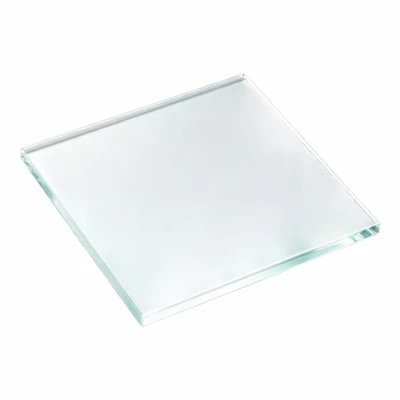
If you’re ready to place an order, need custom tempered glass cut to your specs, or have questions about storing your current stock, don’t hesitate to reach out to our procurement team. We’re here to help, every step of the way.
Fire Rated Glass References
- American Architectural Manufacturers Association (AAMA). Standard Practice for Handling, Shipping, and Storage of Flat Glass. AAMA 1502-19.
- Glass Association of North America (GANA). Tempered Glass: Properties, Handling, and Storage Guidelines. GANA Technical Bulletin 102.
- International Organization for Standardization (ISO). Glass in Building—Determination of the Tensile Strength of Glass Surfaces. ISO 1288-3:2016.
- Occupational Safety and Health Administration (OSHA). Safe Handling and Storage of Glass for Construction. OSHA 3224-06R.
Suzhou Dingcheng Tempered Glass Co., Ltd.
As one of the most professional tempered glass manufacturers and suppliers in China, we also support customized service. We warmly welcome you to wholesale high quality tempered glass made in China here from our factory. If you have any enquiry about free sample, please feel free to email us.
Address: No.777 Limin North Road, Lili Town, Wujiang District, Suzhou City, Jiangsu Province
E-mail: Dingchengglass@163.com
WebSite: https://www.dingchengglass.com/
