If you’ve ever stood in an airport terminal watching a fleet of shiny vehicles and rolling carts glide past, moving suitcases from check-in counters to departure gates, or transferring cargo between planes and warehouses, you might not have given much thought to the brands behind that equipment. As someone who’s spent the last decade working as an airport logistics equipment supplier, I can tell you: the right gear doesn’t just make operations run smoother—it cuts delays, reduces damage to luggage and cargo, and keeps both passengers and ground crew happy. I’ve worked with airports across North America, from small regional hubs to major international ones, and I’ve seen firsthand how choosing the right brands makes all the difference. Today, I want to break down the most common, trusted brands in the space, what sets them apart, and why they’re the go-to for airport operators of all sizes. Airport Logistics Equipment

Let’s start with the workhorses of airport logistics: baggage tugs and tractors. These are the vehicles that pull massive baggage trains, sometimes with 10 or more carts full of suitcases, across tarmac distances. The top name here is without a doubt TLD Group. I’ve sold TLD tugs to dozens of my clients, and their reputation for durability is unmatched. What I love most about TLD is that they design their equipment specifically for the unique challenges of airport tarmacs. Their tugs have tight turning circles, which is crucial in the tight spaces between gates, and they’re built to handle extreme weather—from the snow and ice of Canadian airports to the scorching heat of Middle Eastern hubs. A lot of operators also appreciate their electric models, which align with the global push for more sustainable airport operations. TLD isn’t just for big hubs, either; their smaller, lightweight tugs are perfect for regional airports that don’t need the power of their heavy-duty models.
Another big name in tugs is Charlatte Group. For years, Charlatte has been a favorite among smaller to mid-sized airports because their equipment is more affordable without sacrificing quality. I’ve recommended Charlatte to clients opening new regional gates or upgrading older fleets on a budget. Their tugs are known for being easy to maintain—parts are widely available, and mechanics don’t need specialized training to work on them, which is a huge plus for smaller airports that might not have a dedicated in-house maintenance team. That said, Charlatte’s heavy-duty models can hold their own too; I recently sold a set of their high-capacity tugs to a growing airport in Texas, and they’ve had zero major issues in the past year.
Next up, baggage carts. You can’t move luggage without the carts to put it on, and there are two brands that dominate this space: JetCart and Magline. JetCart is the brand most major international airports trust. Their carts are designed to stack neatly, which saves a ton of space when they’re not in use, and their wheels are built to roll smoothly over cracked tarmac and bumpy concrete without shaking loose luggage. What’s more, JetCart has introduced lightweight, rust-resistant aluminum carts that have cut down on damage to suitcases dramatically. I had a client at JFK switch from steel carts to JetCart’s aluminum models, and their damage reports dropped by 22% in six months. That’s the kind of ROI airport managers notice.
Magline, on the other hand, is the go-to for versatile, user-friendly carts. Their ergonomic design is a game-changer for ground crew, who spend hours pushing and pulling carts all day. Magline’s carts have padded handles to reduce strain on wrists and shoulders, and they come with adjustable dividers so you can separate fragile items like musical instruments or corporate luggage. I especially love Magline for airports that handle a lot of high-value cargo alongside passenger luggage—their dividers make organizing items way simpler, which cuts down on loading errors.
Moving on to cargo handling equipment, which is a whole separate category from passenger baggage. For air cargo, you need equipment that can lift heavy pallets and containers quickly and safely. Mercedes-Benz Special Trucks (MBST) is a leading brand here, specifically their Econic series for airport cargo. What makes MBST stand out is their focus on safety for both drivers and other tarmac workers. The Econic has a low cab so drivers can see people walking around the vehicle, and it has advanced collision avoidance systems that are mandatory at many busy international airports now. I’ve had clients at LAX and Heathrow tell me that switching to MBST cargo trucks reduced near-miss incidents by nearly 30%. Another big plus: MBST offers full-service maintenance plans, so airports don’t have to worry about sourcing parts or dealing with repairs mid-operation.
For pallet jacks and low-level loaders, another trusted brand is Crown Equipment. Crown has been making material handling equipment for decades, and their airport-specific models are tailored to the tight spaces of cargo warehouses. Their electric pallet jacks are quiet, which is important for airport cargo areas that are near residential areas or terminal buildings, and they have long battery life so crew don’t have to stop to swap batteries mid-shift. I recently supplied a Crown low-level loader to a small cargo hub in Miami that handles perishable goods, and they said the loader’s precision lifting meant no more dropped pallets of fresh produce.
Let’s not forget about utility vehicles—those small, golf-cart-like vehicles that airport staff use to move between gates, check on equipment, or transport supplies. The most common brand here is Cushman. Cushman has been around since the 1950s, and their airport utility vehicles are built to withstand the rough tarmac and constant use. They offer both gas and electric models, and many airports are opting for the electric ones now to meet emissions targets. Cushman’s vehicles also come with custom attachments, like cargo beds or passenger seats, so you can tailor them to specific needs. I’ve sold Cushman vehicles to airport maintenance teams, security staff, and even customer service teams that need to respond quickly to passenger requests across large terminals.
Another brand that’s gained a lot of traction in recent years is Taylor-Dunn. Taylor-Dunn’s utility vehicles are lighter than Cushman’s, which makes them easier to maneuver through crowded terminals, and they’re more affordable for smaller airports. A lot of regional airports use Taylor-Dunn for their ground crew transportation, since they don’t need the heavy-duty capability of Cushman’s models but still need reliable, long-lasting vehicles. I’ve had a client in Denver use Taylor-Dunn for their operations team, and they’ve been happy with how little downtime the vehicles have, even after three years of daily use.
Now, I should mention a few niche brands that I work with for specific needs. For example, if an airport is handling a lot of oversized cargo, like aircraft parts or large freight, Kalmar is the go-to. Kalmar makes heavy-duty container handlers and reach stackers that can lift tons of weight, and they’re used by major cargo hubs around the world. Kalmar’s equipment is a big investment, but it pays off for airports that handle hundreds of cargo flights a month—their machines are built for 24/7 operation. On the smaller side, if you need equipment for cleaning terminals or runways, Tennant makes top-of-the-line industrial sweepers and scrubbers that many airports trust to keep their facilities safe and clean.
Over the years, I’ve learned that no single brand is perfect for every airport. A small regional hub in the Midwest might prioritize affordability and easy maintenance, so Charlatte and Taylor-Dunn are their best bet. A major international airport in Europe might focus on sustainability and safety, so TLD and MBST are the right choice. The key is matching the equipment to the airport’s size, traffic volume, and specific needs. For example, an airport that handles mostly passenger baggage won’t need the heavy-duty cargo equipment from Kalmar, just like a cargo hub doesn’t need passenger baggage tugs.
As an airport logistics equipment supplier, my job isn’t just to sell you gear—it’s to help you figure out what works for your unique operation. I’ve seen too many airports make the mistake of buying cheap, off-brand equipment to save money, only to end up with constant breakdowns, higher maintenance costs, and increased damage to luggage and cargo. That’s why I always recommend sticking to these established, trusted brands—they’ve spent decades refining their equipment, testing it in real-world airport environments, and backing it up with reliable customer service.
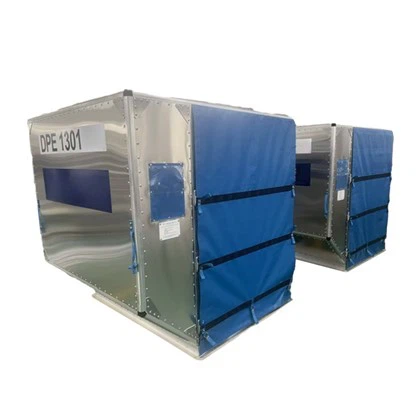
If you’re an airport manager, operations director, or procurement specialist looking to upgrade your fleet, replace old equipment, or add new gear to your ground operations, I’m here to help. I work with airports of all sizes, from small regional hubs to major international ones, to source the right equipment at competitive prices, and I can connect you with maintenance and support services to keep your fleet running smoothly. Whether you need baggage tugs, carts, cargo trucks, utility vehicles, or anything else for airport logistics, reach out to start a conversation about your specific needs. Together, we can find the right solutions to make your airport’s operations more efficient, safe, and cost-effective.
ULD References
- TLD Group. (2024). Airport Ground Support Equipment Product Catalog. TLD Global.
- Charlatte Group. (2023). Mid-Sized Airport Equipment Buyer’s Guide. Charlatte Technical Publications.
- JetCart. (2024). Baggage Damage Reduction Case Studies. JetCart Customer Success Reports.
- Crown Equipment. (2023). Airport Cargo Handling Equipment Specifications. Crown Industrial Solutions.
- Cushman. (2024). Electric Utility Vehicles for Airport Operations. Textron Specialized Vehicles.
- Kalmar. (2023). Heavy-Duty Cargo Handling for Global Airports. Kalmar Aviation Solutions.
- Tennant. (2024). Industrial Cleaning Equipment for Airport Terminals. Tennant Commercial Publications.
Wuxi Aviation Ground Equipment Co., Ltd.
Wuxi Aviation Ground Equipment Co., Ltd. is well-known as one of the leading airport logistics equipment manufacturers and suppliers in China. Please rest assured to buy or wholesale discount airport logistics equipment for sale here from our factory. For price consultation, contact us.
Address: No.18 Dingxiang East Road, Hudai Town, Binhu District, Wuxi, Jiangsu, P.R. China
E-mail: sales@wxagecl.com
WebSite: https://www.wxagecl.com/
