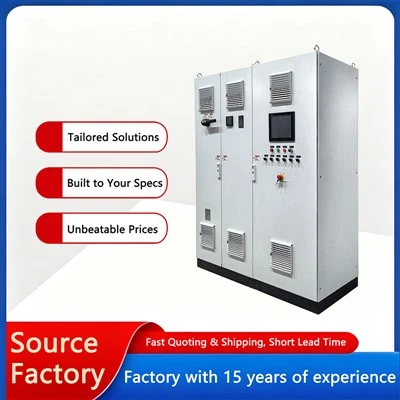
When dealing with electrical systems, particularly in industrial settings, one crucial component is the distribution box. As a distribution box supplier, I’m frequently asked whether these boxes can be used in hazardous environments. This question is of utmost importance as the safety and functionality of electrical equipment in such settings can significantly impact operations, employee safety, and even legal compliance. Distribution Box
Understanding Hazardous Environments
Hazardous environments are areas where there is a risk of explosion, fire, or other dangerous situations due to the presence of flammable gases, vapors, dusts, or fibers. These environments can be found in a variety of industries including oil and gas, chemical manufacturing, mining, and food processing.
In the oil and gas industry, for example, refineries and drilling platforms are filled with volatile hydrocarbons. A small spark from an electrical component can ignite these substances, leading to a catastrophic explosion. Chemical manufacturing plants often handle toxic and flammable chemicals, and any electrical malfunction can trigger a chain – reaction of safety hazards. In mining, coal dust can accumulate and become explosive if ignited, while in food processing, flour or sugar dust can pose a similar risk.
Standard Distribution Boxes and their Limitations
Standard distribution boxes, which are commonly used in non – hazardous environments, are not suitable for use in hazardous areas. These boxes are typically designed to protect electrical components from general environmental factors such as dust and moisture to a certain degree. However, they lack the necessary features to prevent the ignition of flammable substances.
For instance, standard boxes may have gaps or openings that allow flammable gases or dust to enter. Inside the box, normal electrical operations such as the switching of circuits or the flow of current can generate sparks. If these sparks come into contact with the flammable substances inside the box, an explosion can occur. Moreover, the materials used in standard distribution boxes may not be able to withstand the high – energy release of an internal explosion without rupturing, which can then spread the explosion to the surrounding environment.
Specialized Distribution Boxes for Hazardous Environments
To address the challenges of using electrical equipment in hazardous environments, specialized distribution boxes have been developed. These boxes are designed and manufactured to meet strict safety standards and regulations.
Explosion – proof Distribution Boxes
Explosion – proof distribution boxes are built to contain any internal explosion within the box body. They are constructed with thick – walled enclosures made from materials such as cast iron, steel, or aluminum. These enclosures are designed in such a way that if an explosion occurs inside the box, the pressure generated is safely dissipated through specially designed flame paths. The flame paths are narrow channels that cool the hot gases and flames produced by the explosion, preventing them from igniting the flammable substances outside the box.
Dust – ignition – proof Distribution Boxes
In environments where there is a risk of dust explosions, dust – ignition – proof distribution boxes are used. These boxes are designed to prevent the ingress of dust particles. They have tight – fitting seals and gaskets to keep dust out. The internal components are also designed to minimize the generation of sparks and ensure that any heat generated is safely dissipated.
Intrinsically Safe Distribution Boxes
Intrinsically safe distribution boxes are used in areas where the energy available in the electrical circuit is limited to a level that is insufficient to ignite the surrounding flammable substances. These boxes use low – power electrical components and circuits that are engineered to prevent the release of enough energy to cause an explosion.
Certification and Compliance
When supplying distribution boxes for hazardous environments, certification and compliance are of the utmost importance. In many countries, there are strict regulations governing the use of electrical equipment in hazardous areas. For example, in Europe, the ATEX directive sets out the requirements for equipment used in potentially explosive atmospheres. In the United States, the National Electrical Code (NEC) and the standards set by organizations such as Underwriters Laboratories (UL) define the safety requirements for electrical equipment in hazardous locations.
Before a specialized distribution box can be sold and used in a hazardous environment, it must undergo rigorous testing by independent certification bodies. These tests evaluate the box’s ability to prevent ignition of flammable substances, contain internal explosions, and resist the ingress of dust and moisture. Only boxes that meet the specified standards are issued with the appropriate certifications.
Our Role as a Distribution Box Supplier
As a distribution box supplier, we play a crucial role in ensuring the safety and reliability of electrical systems in hazardous environments. We invest heavily in research and development to design and manufacture distribution boxes that meet the highest safety standards. Our team of engineers and technicians work closely with customers to understand their specific requirements and provide customized solutions.
We also offer comprehensive after – sales service. This includes installation support, maintenance, and training services. We understand that proper installation and maintenance are critical for the long – term performance and safety of our distribution boxes in hazardous environments. Our technicians are trained to ensure that the boxes are installed correctly and that they comply with all relevant safety regulations.
Choosing the Right Distribution Box for Hazardous Environments
When customers are looking for a distribution box for a hazardous environment, there are several factors to consider.
Hazard Classification
The first step is to accurately classify the hazardous environment. This involves determining the type of flammable substances present (gases, vapors, dusts), their concentration levels, and the likelihood of their presence. Different hazardous classifications require different types of distribution boxes. For example, an area with a high concentration of highly flammable gases will require a more robust explosion – proof box compared to an area with a lower concentration of less flammable substances.
Electrical Load
The electrical load requirements also need to be considered. The distribution box must be able to handle the current and voltage levels of the electrical circuits it is serving. Our team of experts can help customers calculate the electrical load and select a distribution box with the appropriate capacity.
Environmental Conditions
In addition to the presence of flammable substances, other environmental conditions such as temperature, humidity, and corrosion potential also need to be taken into account. We offer distribution boxes that are designed to withstand harsh environmental conditions, including high – temperature and high – humidity environments. For corrosive environments, we can provide boxes with corrosion – resistant coatings or made from corrosion – resistant materials.
Contact Us for Your Hazardous Environment Distribution Box Needs
If you are in need of a distribution box for a hazardous environment, we are here to help. Our expertise in designing and manufacturing specialized distribution boxes, combined with our commitment to safety and customer service, makes us the ideal partner for your electrical distribution needs.
We understand the unique challenges of working in hazardous environments, and we are dedicated to providing you with the highest quality products and services. Whether you are in the oil and gas industry, chemical manufacturing, mining, or any other industry with hazardous areas, we can provide you with a customized solution that meets your specific requirements.
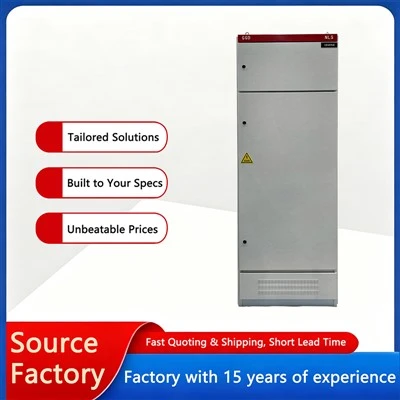
Electrical Control Cabinet Don’t compromise on safety. Contact us today to discuss your distribution box needs and let us help you find the right solution for your hazardous environment.
References
- "Electrical Equipment for Hazardous Areas Handbook" by Craig Horrocks
- ATEX Directive (2014/34/EU)
- National Electrical Code (NEC), various editions
- Underwriters Laboratories (UL) standards related to electrical equipment in hazardous locations.
Hangzhou Dagang Electric Co., Ltd.
As one of the most experienced distribution box manufacturers in China, our products have good reputation in the market. We warmly welcome you to wholesale high quality distribution box for sale here from our factory. If you have any enquiry about cooperation, please feel free to email us.
Address: 1st Floor, Building 11, No.10 Lingang Road, Renhe Subdistrict, Yuhang District, Hangzhou City
E-mail: fang@dagangelectric.com
WebSite: https://www.hzdg-electric.com/
