Pitting corrosion is one of the most severe forms of corrosion that pipelines can face. It occurs when small holes or pits form on the surface of the metal, leading to localized damage. As a pipeline anti – corrosion materials supplier, I’ve witnessed firsthand the importance of effective anti – corrosion solutions in preventing pitting corrosion. In this blog, I’ll explore how our pipeline anti – corrosion materials work to safeguard pipelines from this destructive phenomenon. Pipeline Anti-corrosion Materials
Understanding Pitting Corrosion
Before delving into how our materials prevent pitting corrosion, it’s essential to understand what causes it. Pitting corrosion is an electrochemical process that initiates at specific points on the metal surface. These points, known as "pit sites," can be created by various factors such as impurities in the metal, scratches, or the presence of certain chemicals.
When a pipeline is exposed to an electrolyte, such as water or soil moisture, an electrochemical cell is formed. The anode, which is the pit site, experiences a higher rate of oxidation compared to the surrounding metal (the cathode). As a result, metal ions are released from the anode into the electrolyte, causing the pit to grow deeper and wider over time. If left untreated, pitting corrosion can penetrate the entire wall thickness of the pipeline, leading to leaks, failures, and significant safety and environmental risks.
Barrier Protection
One of the primary ways our pipeline anti – corrosion materials prevent pitting corrosion is through barrier protection. Our materials form a physical barrier between the metal surface of the pipeline and the corrosive environment.
For example, our high – quality epoxy coatings are applied to the pipeline surface. These coatings have excellent adhesion properties, ensuring that they adhere tightly to the metal. Once applied, they create an impermeable layer that prevents the electrolyte from reaching the metal surface. Without direct contact with the electrolyte, the electrochemical reactions that cause pitting corrosion cannot occur.
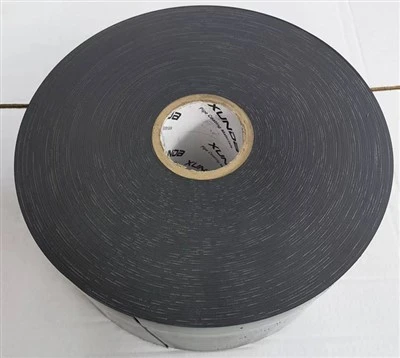
Our polyethylene (PE) tapes are another popular choice for barrier protection. These tapes are wrapped around the pipeline, providing a continuous and durable barrier. The PE material is resistant to moisture, chemicals, and mechanical damage, making it an effective shield against the corrosive elements present in soil, water, and air. By preventing the corrosive agents from reaching the metal, the tapes significantly reduce the risk of pitting corrosion.
Cathodic Protection Enhancement
In addition to barrier protection, our pipeline anti – corrosion materials can enhance cathodic protection systems. Cathodic protection is a technique used to prevent corrosion by making the metal surface of the pipeline the cathode of an electrochemical cell, thereby reducing the rate of oxidation.
Our conductive anti – corrosion coatings can be used in conjunction with cathodic protection systems. These coatings have a certain level of electrical conductivity, which allows the protective current from the cathodic protection system to be distributed more evenly across the pipeline surface. By ensuring uniform current distribution, the coatings reduce the likelihood of creating localized anodes (pit sites) on the metal surface.
For example, when a sacrificial anode is used in a cathodic protection system, the conductive coating helps to transfer the electrons from the anode to the pipeline more efficiently. This helps to maintain a stable and protective potential across the entire pipeline surface, preventing the initiation and propagation of pitting corrosion.
Inhibitor Release
Some of our pipeline anti – corrosion materials are formulated with corrosion inhibitors. These inhibitors are chemicals that can slow down or prevent the corrosion process by reacting with the metal surface or the corrosive environment.
In our paint – based anti – corrosion materials, corrosion inhibitors are embedded in the coating. As the coating is exposed to the corrosive environment, the inhibitors are gradually released. They can form a protective film on the metal surface, which acts as a barrier against further corrosion.
For instance, some inhibitors react with metal ions to form insoluble compounds that deposit on the metal surface. This film can block the active sites on the metal where pitting corrosion could start. Other inhibitors work by altering the electrochemical properties of the metal surface, making it less susceptible to oxidation.
Self – Healing Properties
Our advanced pipeline anti – corrosion materials are designed with self – healing properties. In the event that the coating or barrier is damaged, these materials can repair themselves to some extent, maintaining the protection against pitting corrosion.
For example, some of our polymer – based coatings contain microcapsules filled with a healing agent. When the coating is scratched or damaged, the microcapsules rupture, releasing the healing agent. The healing agent then fills the damaged area and forms a new protective layer, preventing the corrosive environment from reaching the metal surface.
This self – healing ability is crucial in real – world applications where pipelines may be subjected to mechanical damage during installation, operation, or maintenance. By quickly repairing any damage, the materials ensure continuous protection against pitting corrosion.
Case Studies
To illustrate the effectiveness of our pipeline anti – corrosion materials in preventing pitting corrosion, let’s look at a few case studies.
In a large – scale oil pipeline project, our epoxy coating was applied to protect the pipeline from the corrosive effects of soil and oil. After several years of operation, inspections showed that the pipeline surface remained in excellent condition, with no signs of pitting corrosion. The epoxy coating had provided a reliable barrier, preventing the corrosive agents from reaching the metal.
In another water pipeline project, our PE tapes were used in combination with a cathodic protection system. The pipeline was installed in a highly corrosive environment with high levels of moisture and dissolved salts. Despite the harsh conditions, the pipeline has been operating smoothly for over a decade without any issues related to pitting corrosion. The PE tapes provided a physical barrier, while the enhanced cathodic protection system, facilitated by the conductive properties of the tape, ensured uniform protection across the pipeline surface.
Conclusion

Pitting corrosion is a significant threat to the integrity and safety of pipelines. As a pipeline anti – corrosion materials supplier, we are committed to providing high – quality solutions that effectively prevent pitting corrosion. Through barrier protection, cathodic protection enhancement, inhibitor release, and self – healing properties, our materials offer comprehensive protection for pipelines in various environments.
Anticorrosive Tape If you’re looking for reliable pipeline anti – corrosion materials to safeguard your investment and ensure the long – term performance of your pipelines, I encourage you to reach out to us. We can provide detailed product information, technical support, and customized solutions based on your specific needs. Let’s work together to protect your pipelines from the damaging effects of pitting corrosion.
References
- Fontana, M. G., & Greene, N. D. (1978). Corrosion Engineering. McGraw – Hill.
- Revie, R. W. (Ed.). (2011). Uhlig’s Corrosion Handbook. Wiley.
- Kearns, W. H., & Scully, J. R. (2001). Pitting Corrosion: Fundamentals and Applications. NACE International.
Jining Xunda Pipe Coating Materials Co., Ltd.
Jining Xunda Pipe Coating Materials Co., Ltd. is one of the most professional pipeline anti-corrosion materials manufacturers and suppliers in China, featured by quality products and good price. Welcome to buy discount pipeline anti-corrosion materials in stock here and get pricelist from our factory. Also, customized service and five years warranty are available.
Address: Jibei High-tech Industrial Park, Jining City
E-mail: sales.guo@xundatape.com
WebSite: https://www.xundapipetape.com/
