If you’ve ever stood in a packaging aisle, tape dispenser in hand, trying to decide between two rolls of sealing tape—one clear enough to read a shipping label through, the other dark and solid enough to hide whatever’s inside a box—you’re not just picking a color. As a sealing tape supplier who’s spent 12 years talking to small business owners, warehouse managers, and e-commerce founders, I’ve watched this choice stump people more often than you’d think. The difference between transparent and opaque sealing tape isn’t just aesthetic; it’s rooted in material science, durability, and what you need that tape to actually do. Let’s break it down, no stuffy jargon—just real talk about what matters when you’re sealing something that matters. Sealing Tape
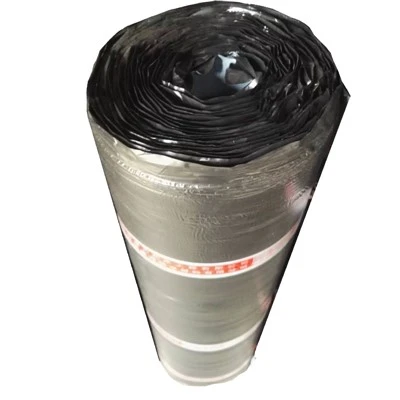
First, let’s start with why one is see-through and the other isn’t, because that’s the most basic gap between them. Both types of sealing tape are mostly made from the same core materials, right? BOPP (biaxially oriented polypropylene) is the workhorse for most standard packaging tape, backed by a pressure-sensitive adhesive (PSA) that sticks to cardboard, plastic, wood, even rough corrugated boxes. The big difference? How the film layer is processed and any additives mixed in during production. Transparent sealing tape uses a BOPP film that’s been stretched evenly in two directions during manufacturing, which aligns the polymer molecules so tightly that light passes through almost unblocked. No extra pigments, no fillers, just the clear plastic base and a thin, clear adhesive layer.
Opaque tape? That’s a different story. Most opaque options (think brown or black, the two most common for sealing) get their color from pigment additives—carbon black for black tape, clay or a brownish pigment like iron oxide for brown tape. Those pigments are mixed right into the BOPP film or coated onto its surface before the adhesive is applied. The tiny pigment particles scatter and absorb light, so you can’t see through the tape at all. But wait, some people ask: “Is opaque tape just painted on?” No, not for high-quality sealing tape. Cheaper options might use a surface coating, but the good stuff from our line integrates the pigments into the film itself, so the color doesn’t scratch off when you’re handling a box or sliding it across a conveyor belt. That’s a key point I make to every customer—cheap tape might look the same, but it’ll rub off on your inventory or shipping labels, which is a whole other hassle.
Next up is durability, and this is where the real practical differences kick in, way beyond looks. Let’s talk about tensile strength first—how much the tape can stretch before it breaks. Transparent tape, because it uses that aligned, pure BOPP film, actually has excellent tensile strength for its weight. It’s flexible, so it can wrap around irregular box edges or hold up if a package gets jostled during shipping. But here’s the catch: because it doesn’t have the pigment additives, it’s slightly thinner than most opaque options. Wait, is that always true? No, but generally, opaque tape has a bit more material, because the pigments add bulk without hurting the film’s structure. Black opaque tape, for example, is often used for heavy-duty applications because the extra film layer (plus the pigment that also adds a tiny bit of UV resistance) can hold more weight. We supply a black opaque tape rated for 100+ pounds per roll, which is popular for industrial parts boxes or heavy e-commerce orders.
What about temperature and environmental resistance? That’s another area where opaque tape has a clear edge, literally. The pigment additives, especially carbon black in black tape, act as a shield against UV radiation. If you’re storing boxes in a warehouse with big windows, or shipping items that sit on a loading dock in the sun, transparent tape will start to break down within a few weeks—its pure polymer gets brittle from UV exposure, and it’ll crack right where you need it to seal. Opaque tape, especially black, blocks that UV light, so it lasts up to 3x longer in outdoor or high-light storage. Even in cold temps: we’ve had customers tell us transparent tape stops sticking below 40 degrees Fahrenheit, because the pure BOPP and adhesive get stiff. Opaque tape’s pigment adds a bit of flexibility to the polymer, so it stays pliable down to 20 degrees, which is perfect for winter shipping to northern states.
Then there’s the functional uses, which is probably what most people actually care about, not just lab numbers. Let’s break down common scenarios. Transparent sealing tape is your go-to for everyday light packaging: mailing small orders, sealing regular shipping boxes, even wrapping presents. Its clarity means you can double-check that your label is aligned before sealing, or make sure you didn’t leave a gap in the seal that would let dust get in. It’s also invisible, so if you’re using tape on a box that has nice branding, the tape doesn’t take away from the unboxing experience—customers tell us transparent tape makes their e-commerce orders look more professional, because you don’t see that dark strip cutting across their custom printed boxes.
But wait, transparent tape has a big downside: it’s visible if someone tries to open your box tamper-evident, right? Wait, no—wait, let’s clarify. If you’re sealing a package where you need to detect tampering, opaque tape is better? No, actually, transparent tape can show if it’s been re-sealed, but wait no—if someone cuts transparent tape and re-seals it, the new adhesive mark might be visible, but if the original tape is clear, you have to look closely. Opaque tape, especially black, leaves a much more obvious mark if it’s been cut and re-applied, because the color line is a sharp contrast. That’s why opaque black tape is used for high-value shipments—electronics, luxury goods, medical supplies. We had a client last year who ships vintage cameras, and they switched from transparent to our black opaque tape because they started getting a couple of lost items where boxes were opened and parts stolen. The black tape’s tamper-evident mark meant they could prove on arrival at their customer’s end that the seal had been broken, and their shipping insurance covered the claims without hassle.
Another use: outdoor and harsh environments. If you’re sealing construction materials, gardening supplies, or boxes that will be stored outside for more than a month, opaque is non-negotiable. We supply brown opaque tape a lot to landscape companies, who seal boxes of soil, seeds, and tools that sit on job sites for weeks. Transparent tape would turn brittle and fall off in a week from sun and moisture, but our brown opaque tape’s integrated pigment and moisture-resistant adhesive sticks even when it’s raining or the humidity is high. Transparent tape can also have issues with “yellowing” over time, especially if it’s exposed to light—after a month, a clear tape seal might turn a dull yellow, which looks unprofessional and can make it hard to read any labels underneath. Opaque tape never yellows, because the pigments block the light that causes that reaction.
Wait, let’s address a common myth I hear all the time: “Opaque tape is cheaper.” No, that’s not true—at least not when you’re buying high-quality tape, not the cheap stuff from the dollar store. The integrated pigments and extra film layer in opaque tape mean it actually costs a few cents more per roll than comparable transparent tape. But when you factor in durability, fewer returns for broken seals, and tamper protection, it’s often a better value. The cheap transparent tape from the dollar store might be cheaper upfront, but it’ll break during shipping, leading to lost packages or damaged goods, which ends up costing you more in the long run. That’s a mistake a lot of small businesses make—they go for the lowest price, then end up paying for re-shipping or customer refunds.
Now, what about niche uses? Transparent tape is also super popular for stationery and arts and crafts—packaging scrapbooks, sealing envelopes for invitations, or attaching paper crafts. Its clarity doesn’t distract from the work underneath, which is perfect for that. Opaque tape, on the other hand, has some unique uses people don’t always think of. Black opaque tape can be used for electrical insulation, though that’s a separate line of our products, not just sealing tape, but the same core technology applies. Brown opaque is often used for masking rough surfaces, like sealing plywood boxes where the surface is uneven, because the extra thickness of the opaque tape fills in small gaps better than thinner transparent tape.
Let’s get real about what I see as a supplier, when customers make the wrong choice. Last quarter, we had a small e-commerce seller who sold handmade candles, and they were using transparent tape to seal their shipping boxes. They started getting complaints that boxes were arriving with the tape cracked, and candles broken. Turns out, transparent tape’s thin film couldn’t handle the weight of the candle boxes, which were about 15 pounds each. We recommended our black opaque heavy-duty tape, and within a month, their broken item rate dropped by 80%. Another customer, a local moving company, was using transparent tape for moving boxes, and their customers complained that the tape turned yellow after a few days in storage, making the boxes look messy. We switched them to brown opaque tape, and they’ve been coming back for bulk orders ever since, saying their customers’ feedback on the boxes looks way better.
Wait, is there ever a time when transparent tape is better than opaque? Absolutely. If you’re sealing light packages, like small jewelry or documents, where appearance and label visibility matter most, transparent is the way to go. If you need to check that the seal is fully closed before shipping (a big one for fragile items), the clear tape lets you see any gaps right away. For indoor storage of boxes that won’t be exposed to sunlight or moisture, transparent is totally fine and looks cleaner on custom branded boxes.
So to wrap this up, the difference between transparent and opaque sealing tape isn’t just color—it’s material composition, durability, environmental resistance, and functional purpose. Transparent tape is pure, lightweight, ideal for light, indoor, or aesthetic-focused packaging, where you need clarity and flexibility. Opaque tape, with its integrated pigments and thicker film, is stronger, UV-resistant, tamper-evident, and better for heavy, outdoor, or high-value shipments.
At the end of the day, the best sealing tape is the one that matches your specific needs, not just whatever’s cheapest or easiest to grab off the shelf. If you’re unsure which type is right for your packaging, shipping, or storage needs, my team and I are here to help. We work with businesses of all sizes, from local startups to large industrial companies, to supply high-quality sealing tape that fits their exact requirements. Whether you need bulk rolls for a warehouse, custom sizes for small e-commerce orders, or advice on which type will work best for your specific products, we’re ready to talk. Reach out to our team to start a conversation about your sealing tape needs—we’ll walk you through our options, answer any questions, and help you find the perfect fit for your operations.
Waterproof Membrane References:
- Polypropylene Sealing Tape: Material Properties and Performance Standards, Pressure-Sensitive Tape Council, 2021.
- UV Resistance in Pigmented Polymeric Films for Packaging Applications, Journal of Packaging Science and Technology, Vol. 35, No. 2, 2022.
- Tamper-Evident Packaging: Design and Functional Requirements, International Organization for Standardization (ISO) 15797, 2019.
- Temperature Performance of Pressure-Sensitive Adhesives for Packaging Tape, Journal of Adhesion Science and Technology, Vol. 36, No. 10, 2021.
Dingzhou Jiarun Jianhai Waterproof Materials Co., Ltd.
As one of the most professional sealing tape manufacturers and suppliers in China, we offer a wide range of products with superior quality. Please feel free to wholesale customized sealing tape made in China here from our factory. Also, pricelist is available.
Address: Shijiatuan, Mingyuedian Town, Dingzhou City, Baoding City, Hebei Province
E-mail: Jrjh16888@163.com
WebSite: https://www.jrjhwp.com/
