In the field of wastewater treatment and industrial waste management, sludge centrifuges play a pivotal role. As a seasoned supplier of sludge centrifuges, I’ve witnessed firsthand the transformative impact these machines have on various industries. But what exactly are the key components that make up a sludge centrifuge? Let’s delve into the details. Sludge Centrifuge
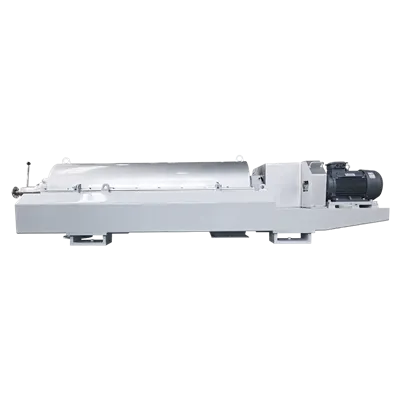
The Centrifuge Bowl
At the heart of any sludge centrifuge is the centrifuge bowl. This rotating component is typically cylindrical or conical in shape and is designed to generate a powerful centrifugal force. The principle behind the centrifuge bowl is to separate the solid and liquid components of the sludge. When the sludge enters the bowl, the high – speed rotation causes the denser solids to settle along the inner wall of the bowl, while the lighter liquid phase moves towards the center.
The material of the centrifuge bowl is of utmost importance. It must be sturdy enough to withstand the high – speed rotation and the abrasive nature of the sludge. Common materials include stainless steel, which offers excellent corrosion resistance and durability. Some high – performance centrifuge bowls are also made from special alloys that can handle even the most challenging sludge compositions.
The size and shape of the centrifuge bowl also affect its performance. A larger bowl can handle a greater volume of sludge, but it may require more power to operate. The conical shape of some bowls helps in the discharge of the separated solids, as gravity and the shape of the bowl work together to move the solids towards the discharge port.
The Screw Conveyor
Working in tandem with the centrifuge bowl is the screw conveyor, also known as the scroll. The screw conveyor rotates inside the centrifuge bowl at a slightly different speed than the bowl itself. This differential speed is crucial for the efficient separation and discharge of the solids.
As the solids settle on the inner wall of the centrifuge bowl, the screw conveyor scrapes them off and transports them towards the discharge end of the centrifuge. The pitch and design of the screw flight determine how effectively the solids are moved. A well – designed screw conveyor can ensure a continuous and smooth discharge of the separated solids, preventing blockages and ensuring the centrifuge operates at peak efficiency.
The screw conveyor is also subject to wear and tear due to the abrasive nature of the sludge. Therefore, it is often made from wear – resistant materials such as hardened steel or alloy. Some modern screw conveyors are also coated with special materials to further enhance their wear resistance.
The Gearbox
The gearbox is an essential component that controls the differential speed between the centrifuge bowl and the screw conveyor. It allows for precise adjustment of the speed difference, which is critical for optimizing the separation process.
A high – quality gearbox should be able to handle the high torque requirements of the centrifuge and provide smooth and reliable operation. It should also be relatively maintenance – free and have a long service life. Many modern sludge centrifuges are equipped with planetary gearboxes, which are known for their high efficiency and compact design.
The gearbox is usually lubricated to reduce friction and wear. Regular maintenance of the gearbox, including oil changes and inspections, is essential to ensure its proper functioning. Any malfunction in the gearbox can lead to improper separation of the sludge, reduced efficiency, and even damage to the centrifuge.
The Drive System
The drive system provides the power necessary to rotate the centrifuge bowl and the screw conveyor. It typically consists of an electric motor, belts, and pulleys or a direct – drive system.
Electric motors are the most common power source for sludge centrifuges. They are reliable, efficient, and can be easily controlled. The power of the motor depends on the size and capacity of the centrifuge. Larger centrifuges require more powerful motors to achieve the necessary rotational speeds.
Belts and pulleys are used to transmit the power from the motor to the centrifuge components. They offer a simple and cost – effective way to adjust the speed of the rotation. However, they may require regular tensioning and replacement to ensure proper operation.
Direct – drive systems, on the other hand, eliminate the need for belts and pulleys. They provide a more efficient and reliable power transmission, as there is less energy loss due to friction. Direct – drive systems are also more compact and require less maintenance.
The Feed System
The feed system is responsible for introducing the sludge into the centrifuge. It typically consists of a feed pipe and a feed distributor.
The feed pipe transports the sludge from the source to the centrifuge. It should be sized appropriately to ensure a consistent flow of sludge into the centrifuge. The material of the feed pipe should be resistant to corrosion and abrasion, as the sludge can be highly acidic or contain abrasive particles.
The feed distributor evenly distributes the sludge into the centrifuge bowl. A well – designed feed distributor can ensure that the sludge is introduced into the bowl in a way that maximizes the separation efficiency. It helps to prevent uneven loading of the centrifuge, which can lead to vibration and reduced performance.
The Discharge System
Once the sludge has been separated into solid and liquid phases, the discharge system is responsible for removing the separated components from the centrifuge.
The solid discharge system is designed to remove the dewatered solids from the centrifuge. It usually consists of a discharge port at the end of the centrifuge bowl where the solids are pushed out by the screw conveyor. The design of the solid discharge port should allow for easy removal of the solids without causing blockages.
The liquid discharge system, on the other hand, removes the separated liquid from the centrifuge. It typically consists of an outlet pipe located at the center of the centrifuge bowl. The liquid discharge system should be designed to ensure a smooth and continuous flow of the liquid, preventing any back – flow or contamination.
The Control System
In modern sludge centrifuges, the control system plays a vital role in ensuring optimal performance. It allows operators to monitor and adjust various parameters such as the rotational speed of the bowl and the screw conveyor, the feed rate of the sludge, and the differential speed between the components.
The control system can be either manual or automated. Manual control systems require operators to adjust the parameters based on their experience and the specific requirements of the sludge. Automated control systems, on the other hand, use sensors and programmable logic controllers (PLCs) to continuously monitor and adjust the centrifuge’s operation. This ensures consistent and efficient performance, reduces the risk of human error, and allows for remote monitoring and control in some cases.
Importance of Quality Components
As a sludge centrifuge supplier, I understand the crucial role that each component plays in the overall performance of the centrifuge. Using high – quality components not only ensures the efficient separation of sludge but also extends the lifespan of the centrifuge and reduces maintenance costs.
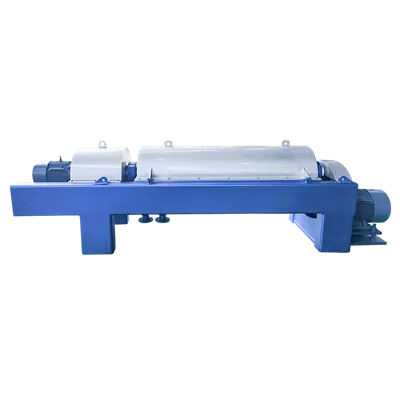
A well – designed centrifuge with reliable components can handle a wide range of sludge types, from municipal wastewater sludge to industrial sludge with high – solid content. It can also operate continuously for long periods without significant downtime, making it a valuable asset for any wastewater treatment or industrial waste management facility.
Contact for Procurement
3 Phase Decanter Centrifuge If you are in the market for a sludge centrifuge, whether you need a small – scale unit for a local wastewater treatment plant or a large – scale industrial centrifuge, our team of experts is ready to assist you. We offer a wide range of sludge centrifuges with different capacities and features to meet your specific requirements. Contact us to start a discussion about your needs, and we will work with you to find the perfect solution for your sludge management challenges.
References
- Tchobanoglous, G., Burton, F. L., & Stensel, H. D. (2003). Wastewater Engineering: Treatment and Reuse. McGraw – Hill.
- Metcalf & Eddy (2014). Wastewater Engineering: Treatment, Disposal, and Reuse. McGraw – Hill Education.
Lishui Yuanrong Environmental Protection Equipment Co., Ltd.
As one of the most professional sludge centrifuge manufacturers and suppliers in China, we have world-leading production equipment and strong manufacturing capabilities. Please feel free to buy customized sludge centrifuge from our factory. Also, quotation is available.
Address: Lot 6-1, Block 15, Wanyang Zongchuang City, Lishui, Zhejiang, China
E-mail: 361184920@qq.com
WebSite: https://www.yrhdc.com/
